Hunting to end hunger has been a part of Hunt4 Meat.com since its first version. Today, programs in most states turn donated deer into ground venison for food banks, soup kitchens and families in need.

How donation works
Hunters take a legal deer during the season and drop it off, field dressed and tagged, at a participating processor. The processor grinds and packages the meat, and a nonprofit or state program delivers it to food banks. Many programs cover the processing cost so the hunter pays nothing.
Who runs the programs
Most states have a Hunters for the Hungry or Sportsmen Against Hunger program run by a nonprofit, a wildlife agency or a hunting group. Farmers and Hunters Feeding the Hungry, founded in 1997, works in many states. Safari Club International chapters run donation drives as well.
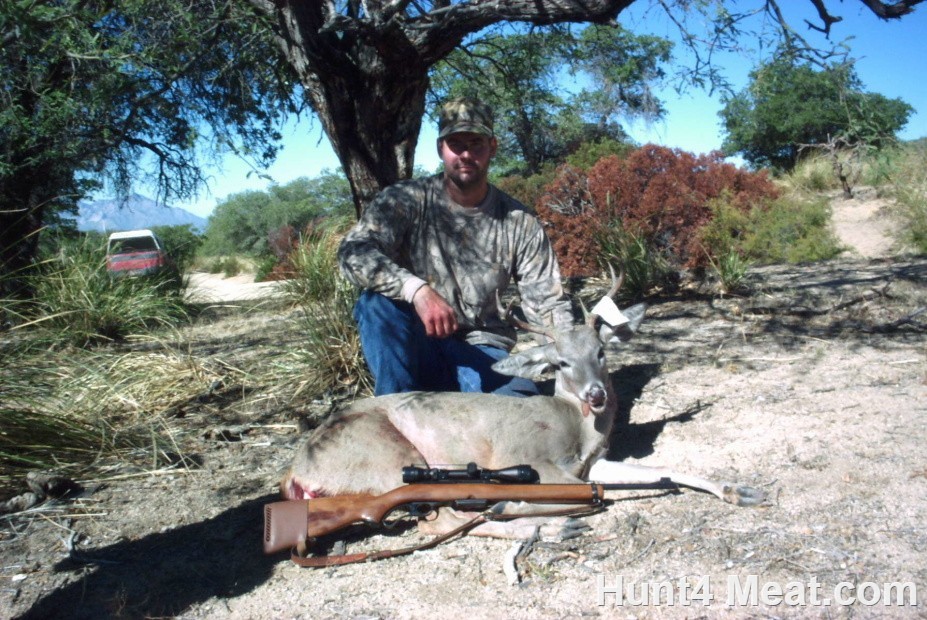
Why it matters
Venison is lean, high-protein meat that food banks rarely receive. A single deer can provide many pounds of ground meat. Donation programs also help states manage deer numbers in areas where herds are too large.
Rules to know
- Only legally taken, properly tagged animals can be donated
- Processors usually require field-dressed, cooled animals
- Some states test donated deer for chronic wasting disease
- Animals that are spoiled or badly damaged are turned away
Other ways to share
Hunters also share game with neighbors, friends and family who do not hunt. Many state agencies run programs that connect hunters with landowners who want deer taken for donation.

Find a program through the state wildlife agency or the national organizations listed below.
Donating other game
Most programs focus on deer, but some also accept elk, wild hogs or geese taken during special seasons. Small game and birds are usually shared directly with friends, family and neighbors rather than through processors.
How to support a program without hunting
Programs need money as much as deer. Donations cover processing fees and transport, and many programs accept volunteers to help at drop-off sites, in kitchens and at food bank distributions. Landowners can also open their property to hunters who donate their deer.
A tradition with deep roots
Sharing game is as old as hunting itself. Before organized programs existed, hunters left meat with neighbors, churches and families who needed it. Modern donation programs simply make that tradition easier, safer and able to reach far more people.